$22 Billion Deal Collapse: Why Carlyle Walked Away from Russia's Foreign Energy Empire. Buysiders
Follow
Deals
$22 Billion Deal Collapse: Why Carlyle Walked Away from Russia's Foreign Energy Empire
Carlyle Group abandoned its $22 billion bid for Lukoil's international assets due to U.S. sanction barriers, exposing how geopolitical friction reshapes global energy deals.
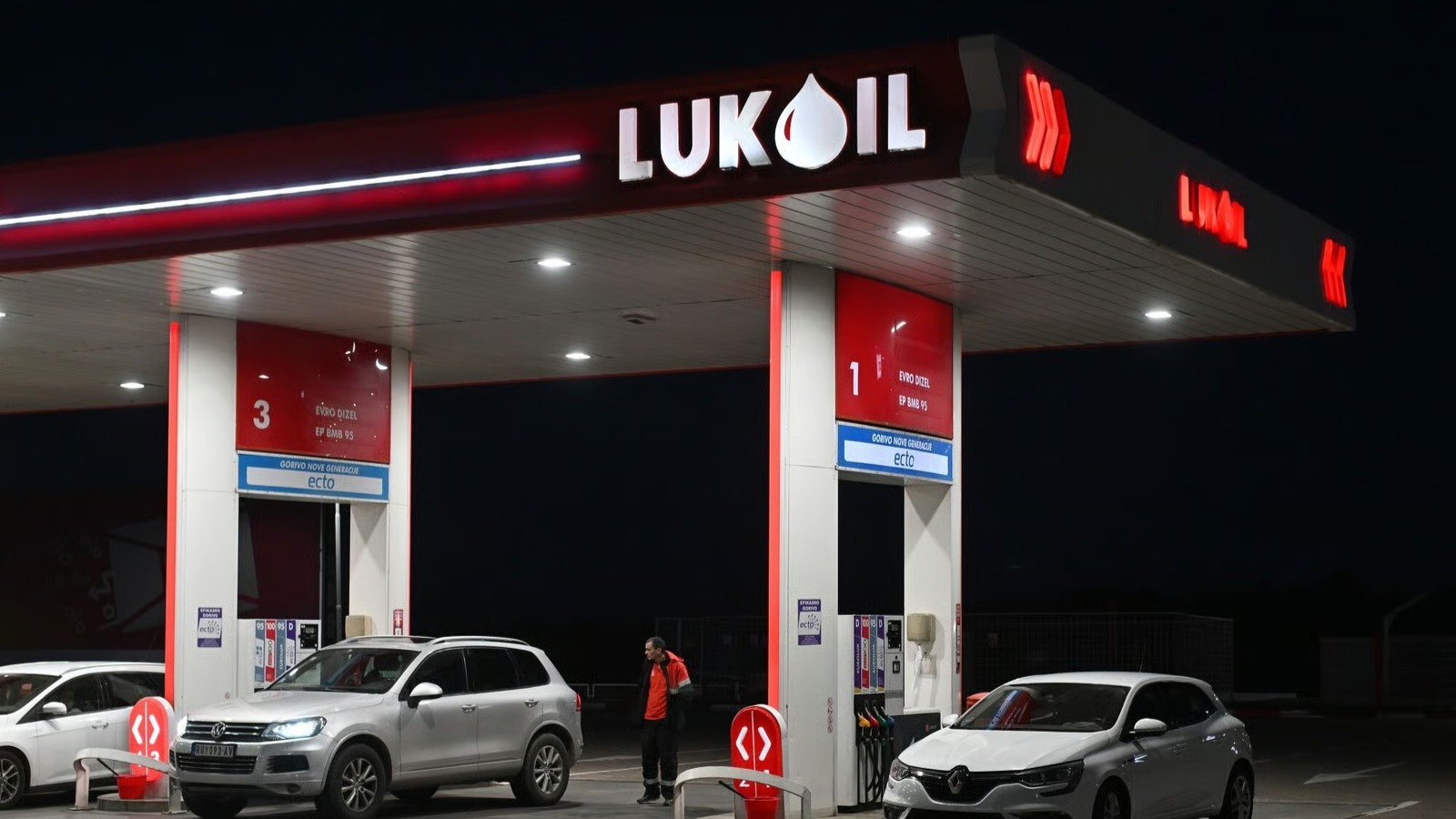
The high-stakes financial attempt by U.S. private equity giant Carlyle Group to acquire the international asset portfolio of Lukoil, Russia’s second-largest oil producer, has officially collapsed. Originally valued at approximately $22 billion, the transaction represented one of the most ambitious cross-border energy deals attempted since the onset of strict Western sanctions against Russian corporate entities.
Carlyle and Lukoil had entered into a provisional, non-exclusive agreement in January 2026. However, the completion of the acquisition was entirely contingent upon securing regulatory clearance from the U.S. Treasury’s Office of Foreign Assets Control (OFAC). Over a ten-month period, the deal ground to a complete halt as federal regulators declined to issue the necessary sanction waivers and licenses required to process the transaction. The agreement formally expired in mid-2026 without execution, forcing Carlyle to abandon its pursuit.
Strategic Assets Hanging in the Balance
The portfolio in question carries immense strategic weight within global energy supply chains. Totaling over 3 billion barrels of proved and probable oil reserves, the assets extend far beyond simple crude production. The package includes major European energy infrastructure, most notably key refining facilities located in Bulgaria and Romania, as well as an extensive international network of retail service stations. These refining assets are vital to regional fuel security in Southeastern Europe, making their operational status and ownership structure a critical concern for European governments and energy regulators alike.
Middle Eastern Capital as the Global Financial Bridge
Carlyle’s original deal architecture relied heavily on a cross-border coalition featuring leading Middle Eastern sovereign and private investment funds. Early structure negotiations included prominent Abu Dhabi entities such as Mubadala, XRG, and International Holding Company (IHC).
This partnership structure highlighted a defining trend in contemporary global mergers and acquisitions: Gulf-based capital acts as a neutral financial bridge operating within the narrow margins between Western regulatory regimes and sanctioned Russian holdings. By co-investing alongside an American private equity powerhouse, Middle Eastern institutional investors sought to acquire tier-one energy infrastructure while navigating complex geopolitical boundaries.
High-Stakes Diplomacy and Rival Bidders
Carlyle's exit has not halted the sale of Lukoil's foreign holdings; rather, it has intensified the competition. American investor Todd Boehly has surfaced as a leading alternative bidder, organizing a consortium supported by capital from the United Arab Emirates and Qatar. Intriguingly, Boehly’s proposal reportedly explores financial backing from the U.S. International Development Finance Corporation (DFC), which would place a U.S. government agency in the position of holding an equity stake in formerly sanctioned Russian infrastructure.
The stakes surrounding the deal have reached the highest levels of global diplomacy. Reports indicate that Russian President Vladimir Putin directly raised the status of the Lukoil asset sale during discussions at the Kremlin with high-level American representatives, framing the transaction as a potential vector for economic stabilization between Washington and Moscow.
Imperatives for Private Equity and M&A
The failure of Carlyle’s bid serves as a stark reminder that in the current macroeconomic climate, deal execution risk is driven primarily by regulatory and geopolitical constraints rather than capital availability or asset quality. Even when buyers assemble billions in liquidity and align willing sellers with strong institutional partners, political risk can unilaterally terminate a mega-transaction. Cross-border investors must increasingly factor regulatory friction and diplomatic backchannels into every phase of deal structuring.



Comments