CVC Quietly Buys €250 Million Stake in Defense Firm Fibrotex. Buysiders
Follow
Deals
CVC Quietly Buys €250 Million Stake in Defense Firm Fibrotex
CVC Capital Partners secures a €250 million minority stake in Israeli defense technology manufacturer Fibrotex, navigating complex geopolitical sensitivities through a highly discreet execution strategy.
Zidni Rizky Rahmatullah Oct 12, 2026 3 min read
Follow Buysiders
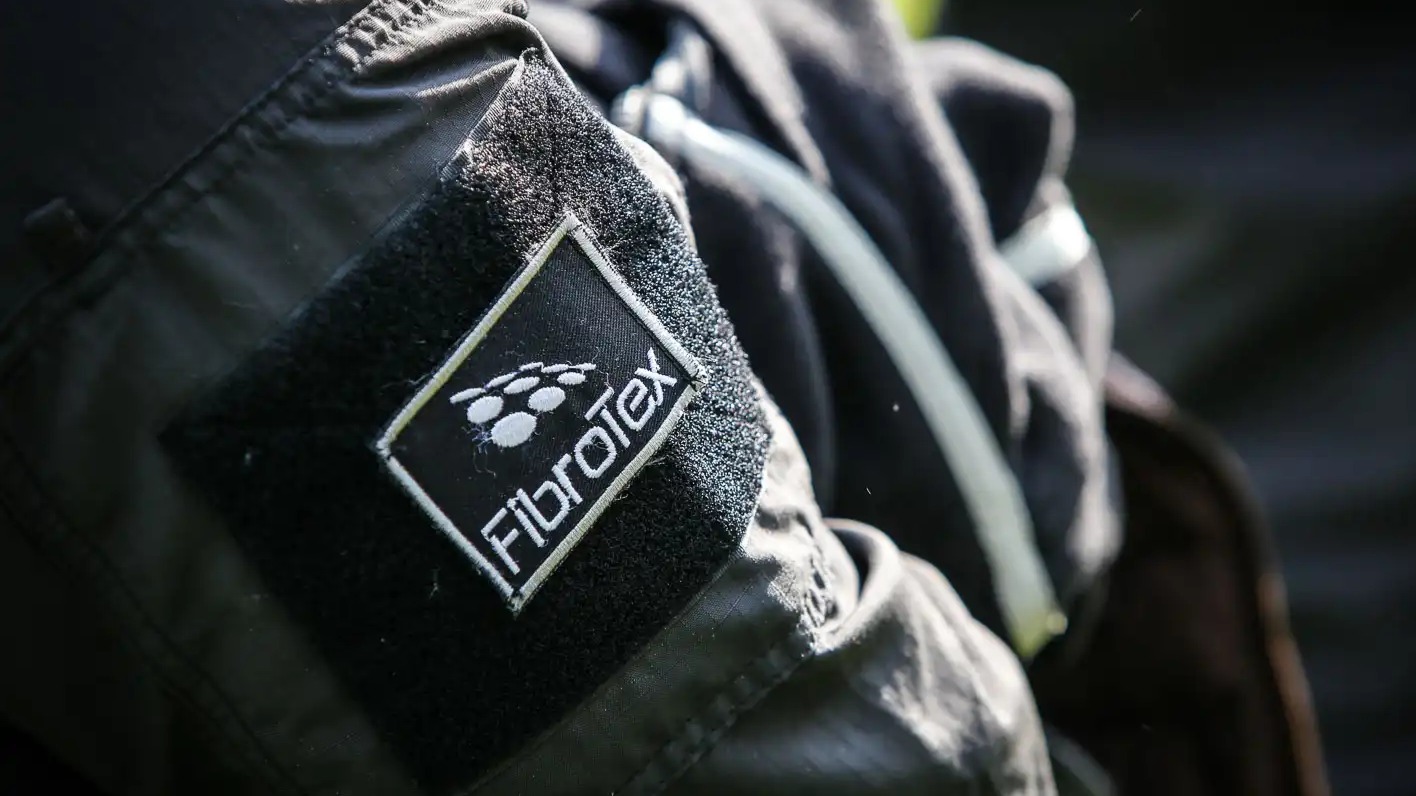
In a highly calculated move within the alternative asset space, global private equity heavyweight CVC Capital Partners has successfully executed the discreet acquisition of a 40 percent minority interest in Fibrotex, a premier manufacturer specializing in advanced multispectral camouflage systems. The transaction, valued at approximately €250 million (roughly $350 million), implies a total enterprise valuation approaching $1 billion. This underscores a growing appetite among institutional sponsors for resilient assets within the global defense supply chain, even as they navigate highly complex geopolitical sensitivities.
Deal Mechanics and Structure
Channeled specifically through the firm’s mid-market growth vehicle, the CVC Catalyst III fund, this capital deployment illustrates a highly targeted strategic expansion into protective defense technologies. The deal was spearheaded by CVC’s German team and represents the largest transaction out of the five made by the Catalyst fund to date.
Despite the heavy influx of institutional capital, the founding Blum family will maintain a controlling 60 percent interest and remain actively invested, ensuring operational continuity. Negotiations to bring in a partner originally began in April 2026. The transaction, advised by Jefferies, under the direction of Natti Ginor, on the sell-side, and Rothschild for CVC, is slated to close in the first half of 2027, pending customary regulatory clearances.
From an operational standpoint, Fibrotex represents a formidable asset in the protective defense sector. Headquartered in Petah Tikva, Israel, with extensive manufacturing capabilities and hubs in Kentucky, the company generated an estimated $130 million to $150 million in annual revenue in 2025, with results expected to improve significantly this year amid surging global demand.
Its core product suite extends far beyond conventional visual netting, offering multispectral camouflage solutions that actively mask combatants, armored personnel carriers (APCs), tanks, command posts, and stationary infrastructure. This technology reduces detectability across multiple parts of the electromagnetic spectrum, providing concealment from advanced detection systems, including radar, thermal imaging, and night-vision devices. The company serves a highly international customer base across more than 20 countries, including the United States, Japan, Australia, New Zealand, and multiple European nations.
Navigating Reputational Risk
The mechanics of the deal's public communication reveal the delicate balancing act required by today's fund managers. In an environment where top-tier sponsors typically broadcast major acquisitions to highlight fund momentum, CVC deliberately avoided public marketing or press releases. While CVC formally notified its fund investors (Limited Partners) as required, this information vacuum was a calculated maneuver designed to navigate the acute reputational risks and activist pressures associated with Israeli defense investments amidst the ongoing Gaza conflict.
When introducing the asset to limited partners, early disclosures strategically emphasized Fibrotex’s international business operations in the US, Japan, and Australia, rather than explicitly highlighting its Middle Eastern headquarters in Petah Tikva. According to industry observers, while the deal makes commercial sense, buying a profitable, long-established company in a growing market at a reasonable price, opposition from investors and employees remains a genuine risk that European private equity must cautiously manage. To mitigate pushback, some LPs draw a deliberate distinction between defensive, protective equipment (like camouflage) and offensive weaponry, which can satisfy certain investors' ESG criteria.
Broader Macro Context
This stealth approach underscores a broader macro reality for alternative asset managers. Institutional investors and sovereign wealth funds face a highly complex environment regarding cross-border ties, yet the structural push for European rearmament and military modernization continues to drive massive capital flows into defense technology.
As traditional initial public offering windows remain volatile and cross-border mergers face intense regulatory scrutiny, private market growth funds like CVC Catalyst III are increasingly stepping in as essential liquidity providers for founder-owned defense specialists aiming for global scale.





Comments