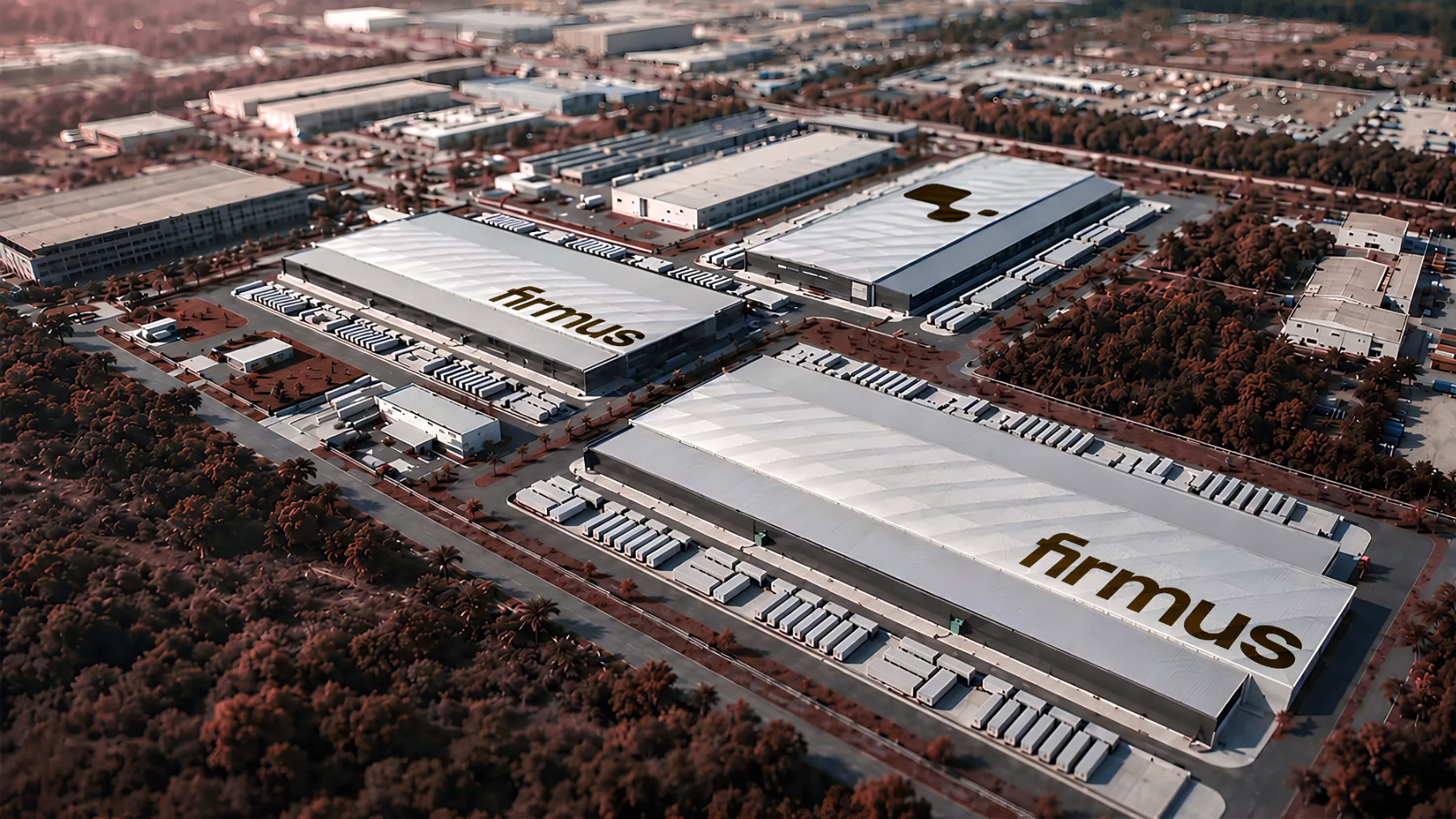
The abrupt cancellation of the highly anticipated $5 billion initial public offering by Firmus marks a defining moment in the financing of artificial intelligence infrastructure. The Australian compute infrastructure provider, notable for its strategic backing by tech behemoth Nvidia, officially withdrew its listing plans amid severe market volatility and escalating investor skepticism. This strategic retreat signals a critical pivot from public equity back to private capital markets, revealing deeper cracks in the broader AI hype cycle.
Despite the unparalleled momentum surrounding artificial intelligence, public market investors are fundamentally reassessing tech valuations. The initial euphoria of the generative AI boom is rapidly transitioning into a phase of strict financial scrutiny. Investors are no longer willing to underwrite astronomical valuations based purely on future growth trajectories; they are demanding concrete paths to immediate profitability. For Firmus, the resistance from institutional public investors underscored a growing reluctance to absorb the immense execution risks associated with scaling next-generation data centers.
The core of this friction lies in the sheer capital intensity of modern tech infrastructure. Developing advanced AI data centers requires staggering upfront capital expenditures to secure physical rack space, massive electrical loads, and cutting-edge cooling systems. Public markets, inherently sensitive to heavy operational overhead without near-term returns, are increasingly hesitant to fund these massive, drawn-out construction cycles. The current volatility of public equity forces infrastructure providers to rapidly rethink how they sustain long-term operations.
Consequently, the collapse of this mega IPO shifts significant leverage to private equity and specialized institutional investors. These private entities are now positioned to serve as the critical financing bridge for infrastructure development. However, this pivot does not guarantee safe harbor for lofty early-stage valuations. Private capital providers, equipped with stronger negotiating power, are likely to demand tighter governance, structured downside protections, and potentially lower equity terms to absorb the immense financial risks that public markets have flatly rejected. Ultimately, the Firmus IPO withdrawal proves that while AI infrastructure remains a necessary foundation, the cost of building it will no longer be funded on mere speculation.




Comments