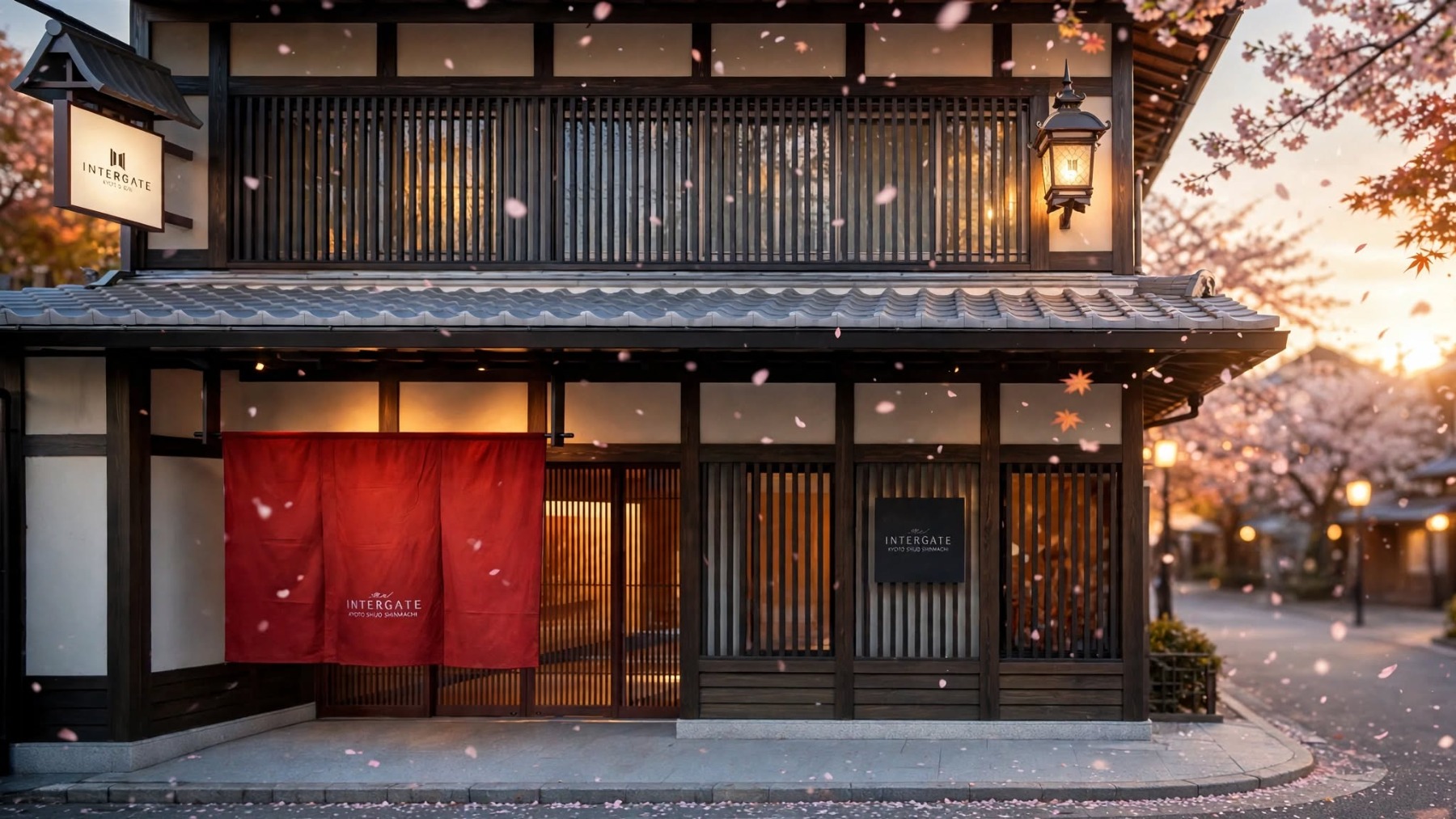
The Japanese real estate sector is currently witnessing one of its most significant potential shake-ups in recent history. Global private equity heavyweights, including Blackstone, Bain Capital, Warburg Pincus, and BGO (a unit of Canada’s Sun Life Financial), are gearing up to submit final, binding proposals by the end of October 2026 for Sankei Building, the core property subsidiary of Japanese broadcaster Fuji Media Holdings. Valued at an estimated ¥1 trillion ($6.3 billion) inclusive of debt, this transaction could easily rank among the largest real-estate takeovers ever recorded in Japan.
The Crown Jewel: Sankei Building's Portfolio
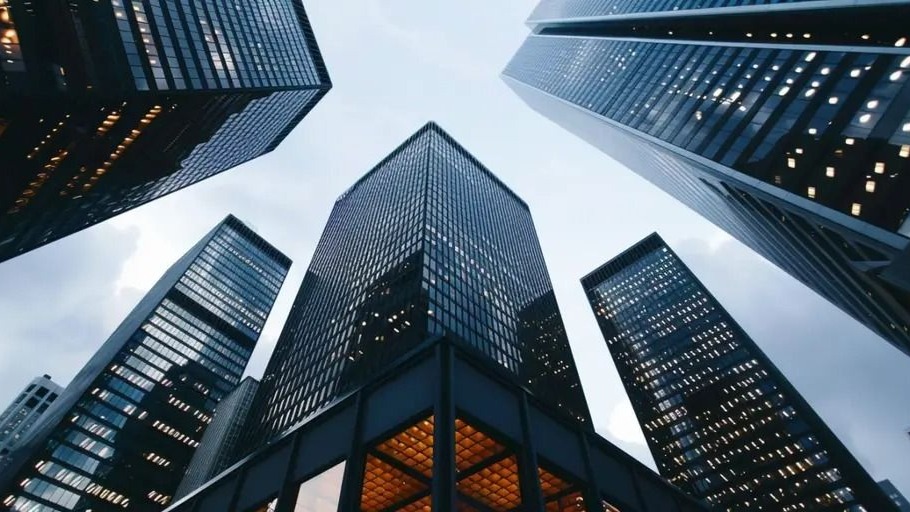
Sankei Building is not merely a collection of standard office blocks; it represents a sprawling, highly diversified national footprint. As of mid-2026, the unit generated ¥196.2 billion ($1.2 billion) in consolidated revenue and ¥31.5 billion in operating profit. Offering acquiring funds an instant, massive scale across multiple high-demand Japanese property sectors, the portfolio includes:
| Asset Class | Total Properties | Scale / Capacity |
| Office Buildings | 149 | National footprint |
| Rental Apartments | 149 | 10,580 units |
| Hotels | 73 | 10,298 rooms |
| Condominiums | 84 | 7,973 units |
| Logistics / Senior | 32 | 21 logistics hubs, 11 senior facilities |
The Catalyst: Activist Pressure and Internal Friction
The push to divest such a lucrative asset is largely the result of sustained historical pressure from activist investors, including US-based Dalton Investments and funds linked to veteran Japanese activist Yoshiaki Murakami. These investors relentlessly urged Fuji HD to offload its real estate holdings and unwind cross-shareholdings to boost capital efficiency. Following a ¥235 billion share buyback in February 2026 that allowed major activists to exit, Fuji formally initiated the review of the Sankei Building business.


Comments