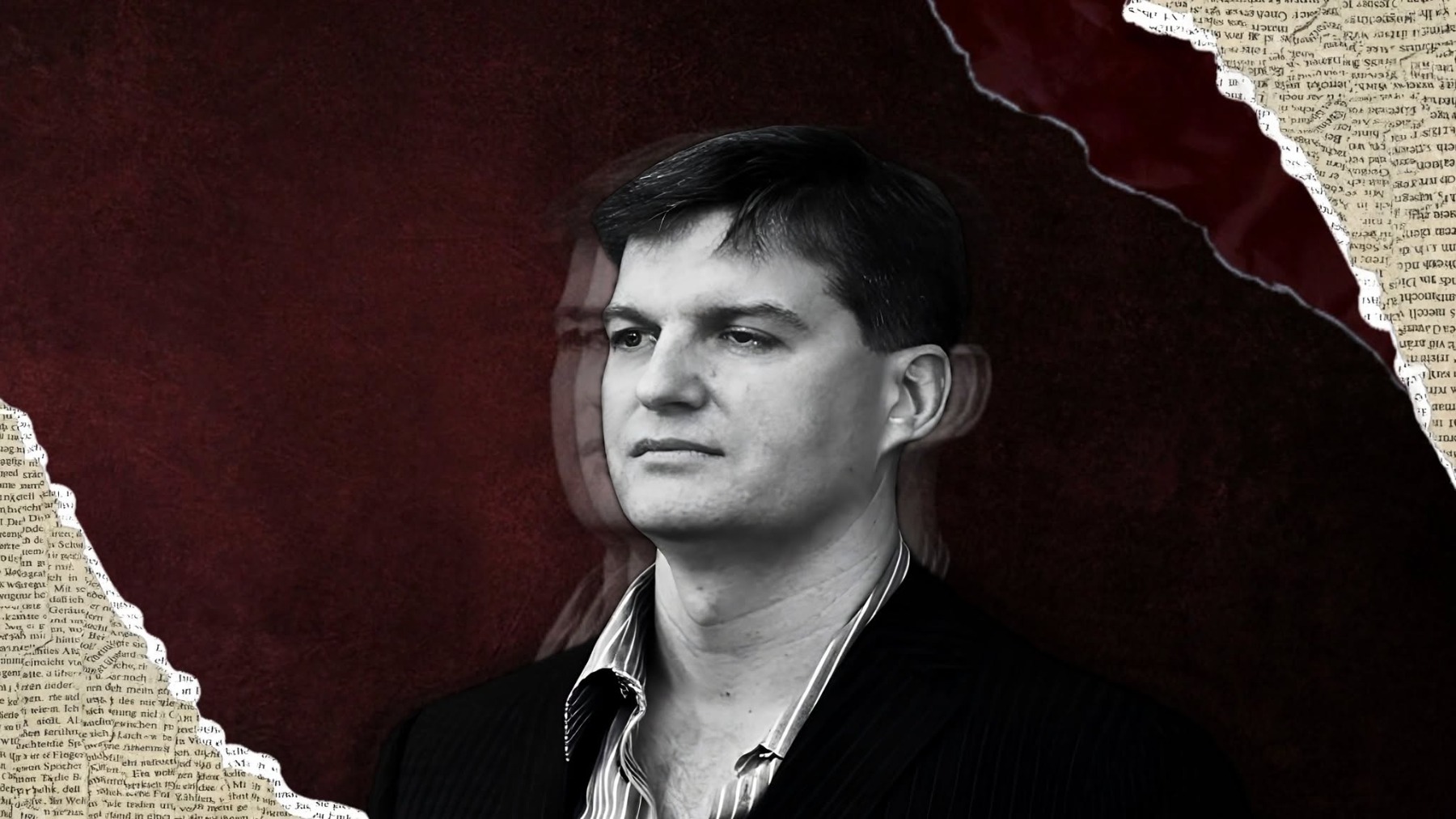
Famed "Big Short" investor Michael Burry has once again sent ripples through Wall Street with a stark warning. On October 6, 2026, as the S&P 500 continued to shatter records by climbing to nearly 7,830 points, Burry took to X (formerly Twitter) to declare that the stock market is "quite obviously in its first stage of grief, denial." According to Burry, this phase typically lasts between six to nine months, drawing direct parallels to the devastating market corrections of 2000 and 2008.
The essence of Burry's warning lies in the severe divergence between soaring equity indices and deteriorating macroeconomic fundamentals. While retail and institutional investors continue to chase the artificial intelligence boom, pushing companies like Nvidia and Microsoft to stratospheric valuations, the broader economic picture paints a troubling reality. Market breadth remains strikingly poor, meaning that the record highs of the S&P 500 are largely driven by a handful of mega-cap tech stocks, acting as a camouflage for the hundreds of struggling companies underneath.
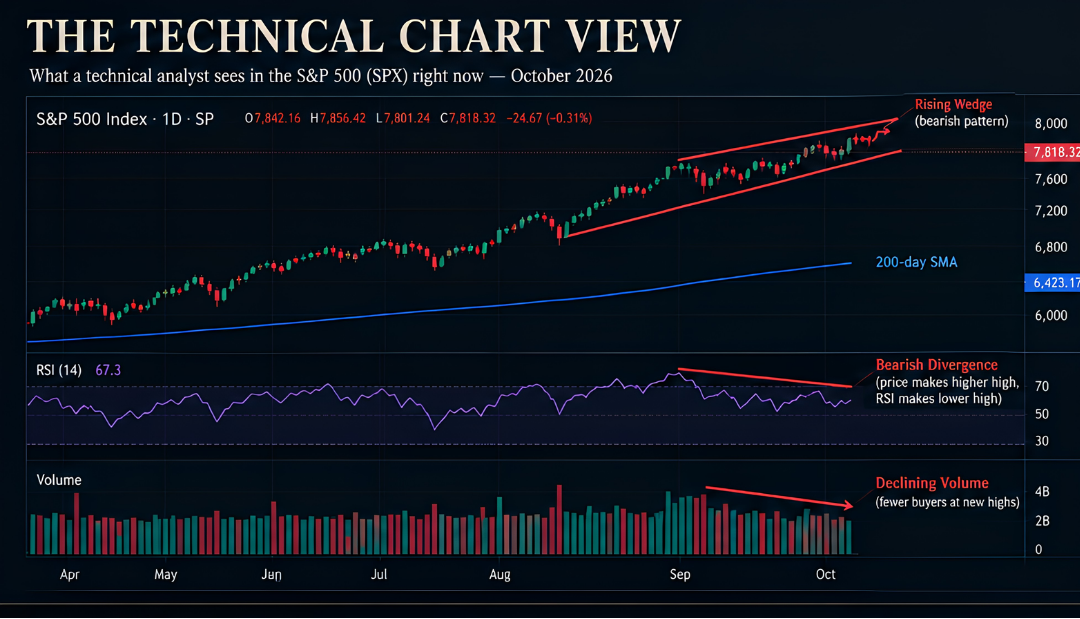
Compounding these structural weaknesses are alarming macroeconomic indicators. The benchmark 10-year U.S. Treasury yield has surged past 5.3%, marking borrowing costs not seen since 2002. Historically, high interest rates constrict corporate profit margins and suppress consumer spending power. Furthermore, recent data revealed that U.S. employers added a mere 29,000 jobs in September 2026, drastically missing the forecast of 84,000. Despite these red flags, the market's steadfast resilience mirrors the exact "denial" psychology seen just before the subprime mortgage crisis triggered the 2008 financial collapse.




Comments